Prepare
Less brutal than it sounds. Harder than it looks.
01What this actually asks of you
Seven marathons in twelve days is less brutal than it sounds and harder than it looks. Nobody is asking for a fast time. What the body needs is the ability to keep going on tired legs, day after day, in seven different climates — which is a different skill from running one good marathon, and a trainable one.
02Training
The single most useful thing you can do is back-to-back long runs: a long run on Saturday and another on Sunday, every second or third weekend, for the six months beforehand. Total weekly volume matters less than teaching your legs to start again when they are already tired. We send a twenty-four-week plan when you register, and our race directors are available for questions throughout.
03Recovery on the road
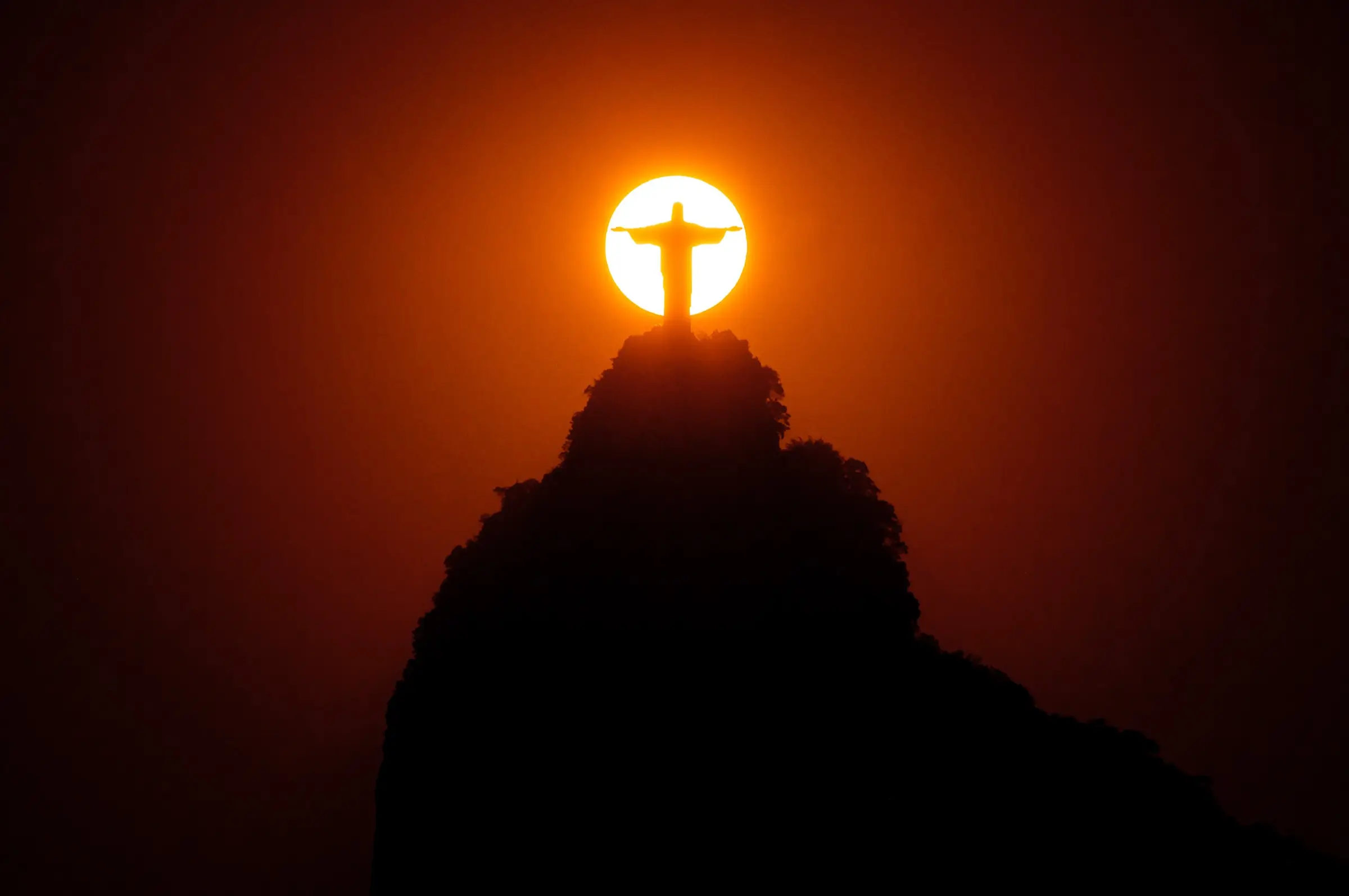
Two physiotherapists travel with the group and work the aircraft cabin on every sector. Compression, elevation, protein and sleep — in that order — are what get people to Rio. The two easiest courses, Agra and Chichén Itzá, sit either side of the hardest one deliberately.
04What to bring
Two pairs of shoes, minimum, and rotate them. Trail shoes for Petra. Something warm for the Wall and for Anchorage. Everything else is on the kit list you receive ninety days out, and there is laundry at four of the stops.
The seven climates
You will start at 4 °C below the Great Wall and finish in Mexico in the high twenties two days later. March is kind to six of the seven courses; Chichén Itzá is the one that gets properly warm, and Agra heats up through the morning. If you live somewhere cold, a few weeks of heat acclimatisation before departure is worth more than any extra mileage.
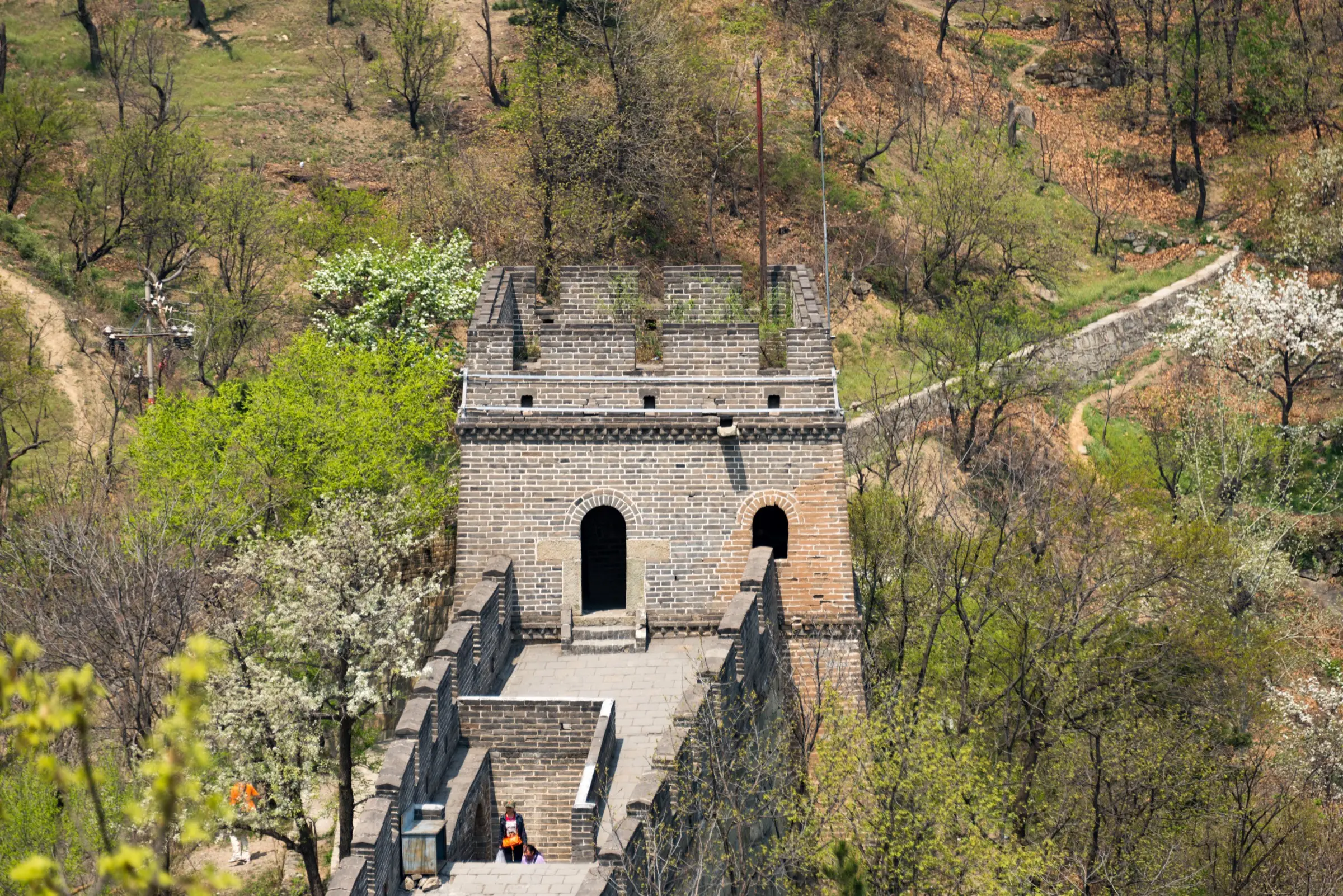 4 °C
4 °C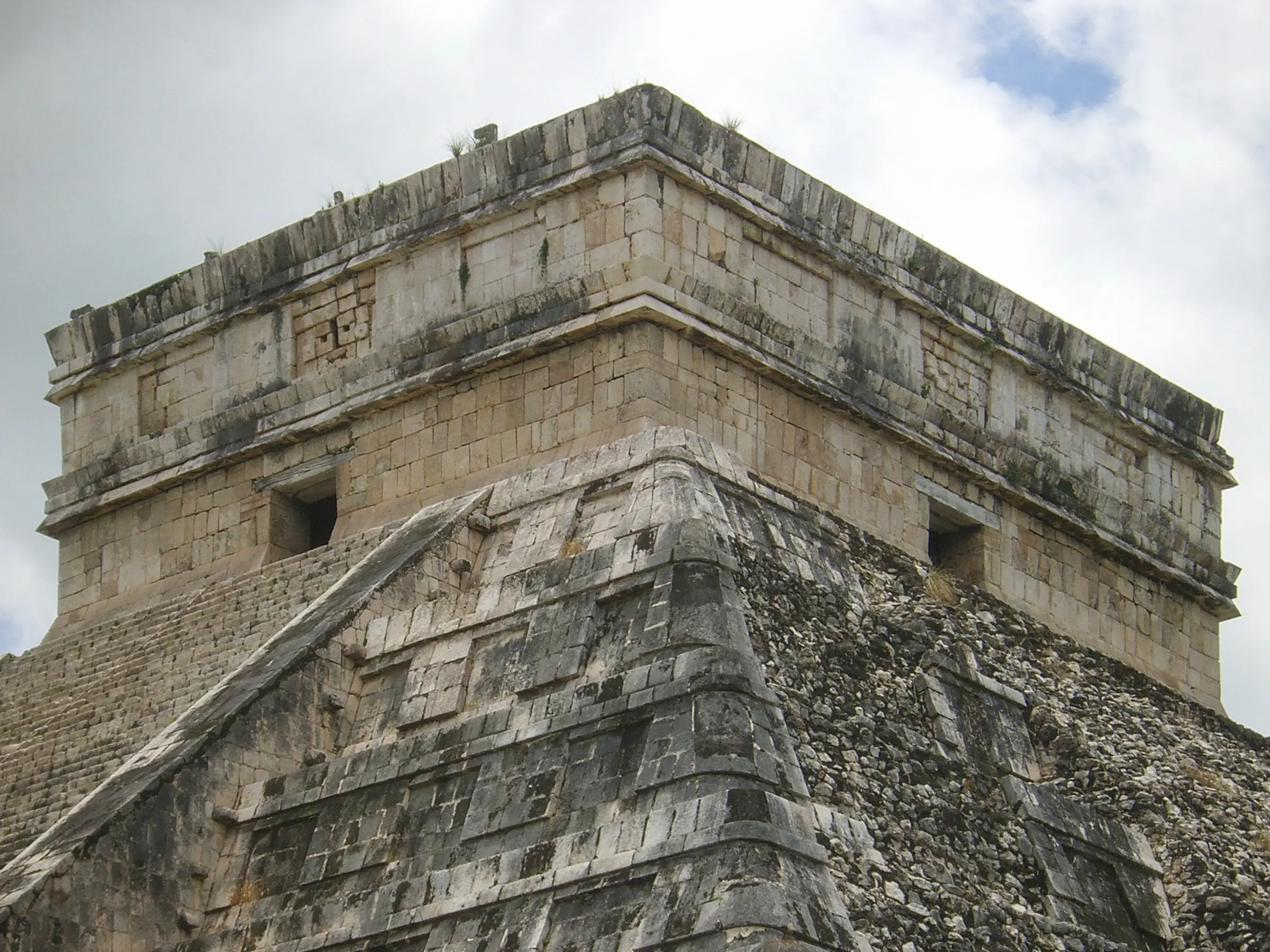 20 °C+
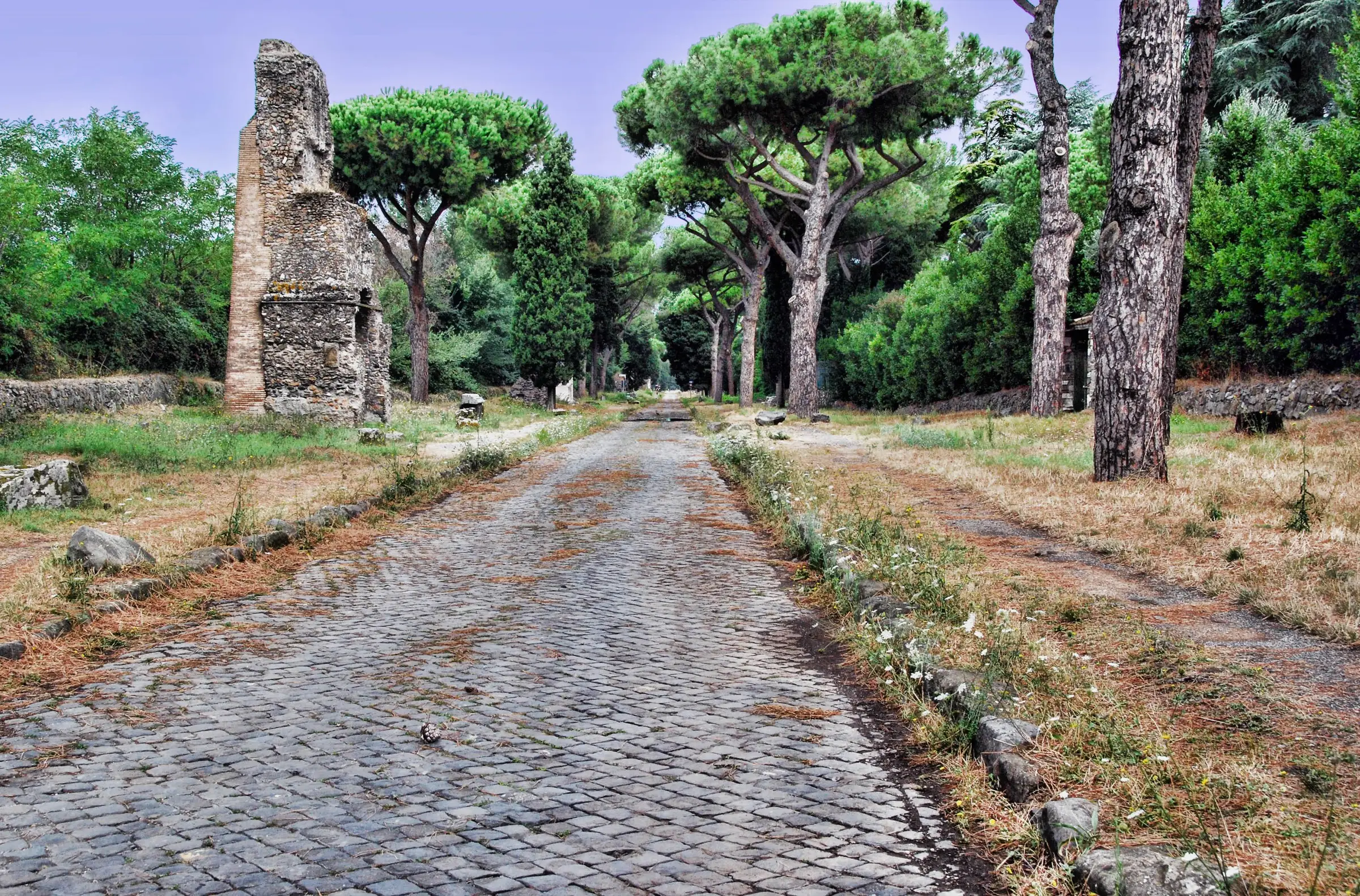
Expected temperature at the start lineRome9 °C
Cairo16 °C
Petra12 °C
Agra16 °C
Mutianyu4 °C
Chichén Itzá20 °C
Rio de Janeiro24 °C
Sixty people will see the seven wonders this way.
Places are allocated in order of deposit. Finishers of any Runbuk event may reserve before general registration opens.